Heal Emotional Fear, Build Self-Trust & Create Safe, Confident Relationships
Introduction: When Love Triggers Fear Instead of Peace
Love is meant to feel safe.
But for many people, love brings anxiety, overthinking, and constant fear of loss.
You may notice:
- Fear of being replaced
- Constant need for reassurance
- Overthinking small changes
- Comparing yourself to others
This is emotional insecurity, and it is more common than we admit.
The good news?
Insecurity in love is not permanent. It can be healed with awareness, emotional work, and daily practice.
1. Understand What Insecurity in Love Really Is
Insecurity is not about your partner.
It is about fear stored inside you.
It often comes from:
- Past heartbreak
- Childhood emotional neglect
- Being compared or criticised
- Betrayal or abandonment
Love activates these old wounds.
2. Stop Linking Your Worth to Someone’s Attention
When love becomes the source of self-worth, insecurity grows.
Signs include:
- Mood depends on messages
- Panic when replies are delayed
- Overthinking tone or behaviour
Healthy love adds value to your life — it does not define your value.
3. Heal the Fear of Abandonment
Many insecure thoughts come from one question:
“What if they leave me?”
This fear creates:
- Clinginess
- Control
- Emotional exhaustion
Healing begins when you realise:
Even if someone leaves, you will survive and still be whole.
4. Stop Comparing Yourself to Others
Comparison silently damages relationships.
Social media, ex-partners, and imagined rivals feed insecurity.
Remember:
Your partner chose you, not a comparison.
Confidence grows when focus returns inward.
5. Build Emotional Independence
Love should be shared, not depended on.
Emotional independence means:
- Having your own happiness
- Maintaining friendships
- Pursuing personal goals
A fulfilled individual attracts secure love.
6. Communicate Instead of Assuming
Insecurity often comes from assumptions.
Instead of:
- Imagining worst-case scenarios
- Silent suffering
Choose:
- Honest conversation
- Calm expression of needs
Healthy communication reduces fear.
7. Set Boundaries With Your Own Thoughts
Not every thought is truth.
When insecurity appears, ask:
- Is this fear or fact?
- Is this past pain talking?
Learning to question thoughts is powerful emotional healing.
8. Practice Self-Reassurance Daily
Instead of seeking reassurance outside, give it to yourself.
Simple affirmations:
- “I am enough.”
- “I am loved and secure.”
- “I trust myself.”
Inner reassurance creates outer stability.
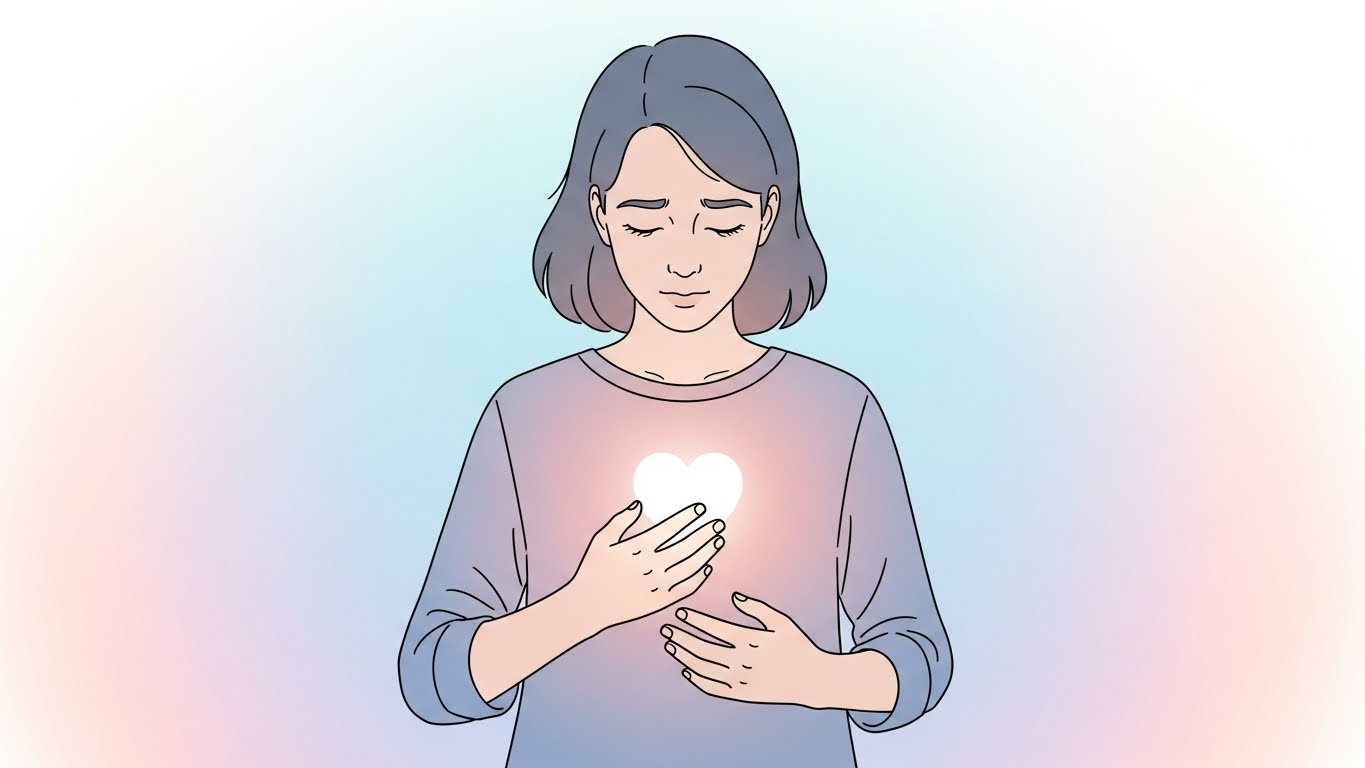
9. Create Emotional Safety Within Yourself
Security begins internally.
Practice:
- Deep breathing
- Grounding techniques
- Emotional self-care
When you feel safe inside, love feels safer outside.
10. Allow Love to Be Calm
Many people confuse intensity with love.
But real love feels:
- Calm
- Stable
- Predictable
- Safe
If chaos feels familiar, healing is required.
If calm feels strange, growth is happening.
Final Thought: Secure Love Starts With Self-Trust
You don’t stop feeling insecure by controlling love.
You stop feeling insecure by trusting yourself.
When you feel emotionally safe within, love becomes a place of peace — not fear.